Wednesday, January 26, 2011

Blog Finale!

1. What is something you learned about another culture this term that surprised or intrigued you?
I really enjoyed the day we learned about the development of the Blues. Before that class, I thought I had a pretty good understanding of how the Blues relates to Western culture and other genres of music. But I didn’t. I learned so much about the connection between Blues and African music, and the way it developed into the genre that we know of today. I also think it’s interesting that it influenced SO many different types of music. If the Blues had never existed, then every band who has ever been influenced by the Rock ‘n Roll or Motown would also never have existed. And that would just be sad!
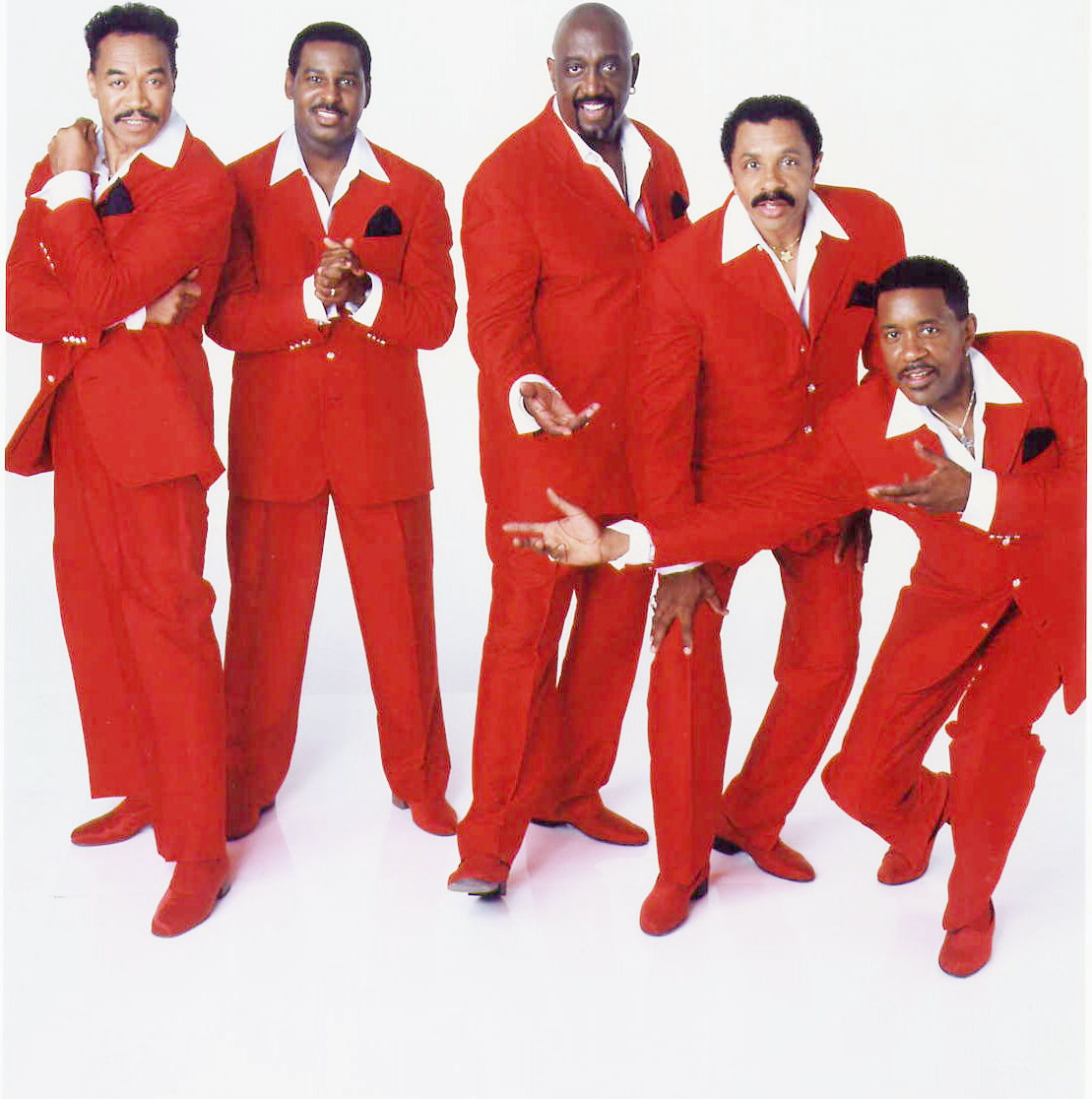
The amazingness that is The Temptations would never have existed if the Blues didn't exist first!

2. What is something that you realized about your own culture through our discussions?
I became very aware of how overpowering and dominating American/Western culture, including our music, can be. Because we live in a gigantic country (both geographically and influentially), it is pretty easy for us to be content with what we are already familiar with and not branch out. Understanding how OTHER cultures have influenced our own is so important because it can provide a whole new perspective.
3. What is something that this course has inspired you to learn more about?
I want to visit Jordan so badly so I can learn more about local music therapy practices and the degree program in Amman! In this course, I saw how much music and sound culture can intertwine with people’s lives. Although I sort of inherently knew that, seeing specific examples of various music and cultures gave me a whole new perspective. I feel like if I am ever to make this dream come true, I will definitely try to expose myself to and learn more about Jordan’s musical practices. Being culturally sensitive is so important and very necessary for anyone in another country. I will definitely learn more about music and culture in Jordan!

Amman, Jordan. Does this look familiar, Dr. Vaneman? :)

Wednesday, January 19, 2011

Cool Stuff--The Arab World and India!

I personally love the music of Cat Stevens, who was a popular singer in the 1970s. (You may be familiar with his more popular songs "Peace Train" or "Morning is Broken.") In 1977, he converted to Islam, changed his name to Yusuf Islam, and left his fame and musical career behind to live a more quiet life. He has been making music and CDs in the last few years, and he has become a proponent of peace in the world and of spreading knowledge and understanding about Islam. He wrote this song, "A is for Allah," when his first daughter was born so he could teach her the Arabic alphabet. The timbre of his voice sounds like a lot of Western singers, and it is sung a cappella. I love listening to the Arabic alphabet, because I'm not familiar with it, and the words in English are nice, as well. It's a beautiful song!
"A is for Allah" by Yusuf

I love musicals, and those of you who also do may have heard of Bombay Dreams. It was written by A.R. Rahman and produced by Andrew Lloyd Webber in 2003. It did pretty well in the U.K., but American audiences did not take to it at all (I never saw it, though). It follows a man who lives in a slum in Bombay and falls in love with a wealthier man's fiancee. There is definitely a Bollywood quality to the music, costumes, sets, and dancing. This is the song "Salaam Bombay." There are Western and Indian instruments, a lot of percussion, and most of the lyrics are in English. The singers' vocal timbre are less nasal than the ones we heard in other Bollywood songs. It's a really cool song, so enjoy!

"Salaam Bombay" from Bombay Dreams

I thought it was so interesting when we learned in class that they traditionally hold the violin differently in India than we do here in the U.S. I found a video of Jayadevan playing the violin in this way. Notice how he slides around the notes and uses different posture than we do in the Western world. It's amazing how he uses the same instrument that we are used to but creates such different sounds.


Tuesday, January 18, 2011

Music and Family

Here is an interview that I conducted with my mom on Tuesday, January 18, 2011. My questions are bolded, and her answers are in regular font. Enjoy!

What kind of music did you listen to as a child?
I chose to listen to rock ‘n roll, which I guess would have been called “pop” in those days. I also listened to Motown. My dad listened to country music from his childhood, so I also grew up listening to that.
What kinds of artists did you listen to?
The Supremes, the Beatles, the Rolling Stones, Elton John, Cat Stevens.

(Here is the music video for Elton John's "I'm Still Standing" from 1983. It's amazing.)


(Here are The Temptations singing "My Girl." I love their dance moves!)

What did your family think of the music you listened to?
My mom liked the same music that I did. My dad didn’t. When we went on road trips, the person who drove the car got to choose the music that we listened to. So we always listened to each other’s music then.
What about your music did your dad not like?
It was just different from what he was used to. He liked the country music from his time. He watched the Beatles and the Rolling Stones when they came on TV, and he liked them okay; but he never chose to listen to that music.
What technology did you use to listen to music?
Radio, cassette tapes, 8-Tracs, albums. CDs didn’t come around until much later.
When did you listen to music?
We listened to music when we traveled in the car. I also listened to records in my bedroom, but that's about it.
That’s all?
Yeah, because music wasn’t portable. Eventually headphones came around so you could listen to cassette tapes with them. Before that, we didn't move around a lot.
Were you ever exposed to music outside of your own culture?
Not really. They sang gospel music at church sometimes. My older brother listened to southern rock, like the Almond Brothers, which I had never heard until he brought it home.

Friday, January 14, 2011

More Cool Stuff--All over the world!

I have a CD called Playing for Change, and it is absolutely amazing. Everyone should buy it. The creators travelled around the world and recorded musicians from various countries; then they layered the tracks over to create some beautiful music! I love the concept of connecting and relating to one another through music. I think the videos demonstrate how wonderfully different everyone is, but how the musicians can still relate to one another.


This first video is of a song called "Chanda Mama." Notice that the first instrument they show is the charango! I love that the timbres of the musicians' voices, the languages, and the instruments are all unique to their individual cultures--yet they still come together to create such breathtaking music!

This is by far my favorite Playing for Change video. It's called "War/No More Trouble." I love the guy who plays the guitar at the beginning, and I love that Bono is in it! Yes, that Bono. From U2. The violin part is also lovely. Many of the countries represented have a lot of conflict associated with them--Ireland, Israel, the Congo, South Africa. The peaceful message of the music is so powerfully portrayed by all the musicians.

In my last cool stuff, I posted a picture of Maasai dancers that I saw in Kenya. I thought I would post a video of a dance from that tribe, as well. Apparently in this particular warrior dance, the men are trying to attract women. The one who jumps the highest gets the girl. Enjoy!

Thursday, January 13, 2011

Music and Gender

I grew up playing the piano from the time I was eight years old. The number of boys and girls taking lessons from my teacher was pretty equal when we were young, and then there were fewer and fewer boys as we grew up. By the time I graduated, there was only one high-school aged guy left among four or five girls. Most of the guys I knew in high school played a brass instrument, the drum set, or the guitar, and most girls played woodwind instruments. This wasn’t always true, however, because one of my best female friends was drum major during our senior year.
Last summer in 2010, I worked as the music programmer at a summer camp for children and young adults diagnosed with learning disabilities. I noticed a huge difference between the way boy campers and girl campers responded to music activities and instruments in the music hut. For instance, girls tended to respond well to passive activities, such as music listening and drawing to music. Boy campers, on the other hand, typically enjoyed active music activities, such as singing, playing instruments, and improvising.
Male campers of all ages tended to gravitate toward the drum set, hand drums, the electric guitar, and the bass. They usually requested rock music by artists like U2. Female campers usually gravitated toward the keyboard/piano and the acoustic guitar, and many of them requested pop music by artists like Taylor Swift. However, I specifically remember one male teenage camper who said his favorite singer was Ke$ha (Yes, I spelled it the correct way with the dollar sign), which I think many Americans would say is gender atypical. The other guys in his cabin did not appear to mind that he liked a “girly” singer, and I remember being very impressed with their maturity and acceptance of different music tastes.

Ke$ha

U2
My musical experiences at Converse have been quite diverse, and I feel like my gender has been an important part of some of them. My sophomore year, I was involved in Finding Voice, which is a performance piece that was created by Dr. York and women who have experienced domestic violence. The experience was challenging, and at times unpleasant, because a lot of the subject matter was deeply emotional. Being able to empathize with the amazing and powerful women through music was an eye-opening experience. I feel like many men and women probably view the subject matter differently because domestic violence is predominantly directed towards women. I was able to identify with the music and poetry in Finding Voice very strongly because I am a woman.

Yay women!

Friday, January 7, 2011

Cool Stuff--Africa!

Here are some photos from my volunteer trip to Kenya in January 2010.

In this picture, I'm playing the guitar with some of the children who lived at the orphanage. Mwangi was two years old at the time, and he loved to sing the ABC song with me. All the songs the children chose to sing were in English, and most of them had religious lyrics. This evidences the importance that religion and learning English have in their lives and schools.


Most of the children were familiar with iPods because former volunteers had brought them. There are so many ways that cultures can share music with one another!


On one of our last days in the country, we travelled to Nairobi (the capital of Kenya) and went to a performance of traditional Kenyan music. These are dancers from the Maasai tribe. A unique part of this dance is that they jump very high off the ground, and they wear these traditional red robes. Look how high that man jumped!


I have a strong interest in international music therapy-- especially in Africa. Is it hard to tell? The only music therapy degree available in Africa was founded in 2000 at the University of Pretoria in South Africa. It is a Masters Degree Program and is registered with the Health Professions Council of South Africa (HPCSA). There are currently 33 registered music therapists in South Africa. The Music Therapy Community Clinic (MTCC) was founded in 2002, and it offers a wide variety of services to many age groups around Cape Town. It is very exciting to see how music therapy is spreading across the globe! Visit the MTCC website for more information: http://music-therapy.co.za/index.htm

Thursday, January 6, 2011

Music and Religion

I have grown up in the South for my entire life and have always been surrounded by a strong Christian culture. Although I do not identify as a religious person, I have been exposed to many church functions and services. I sang in a Methodist Church ‘s children’s choir when I was ten and eleven years old and also played handbells for a while. The lyrics of the songs were usually in English (sometimes in Latin) and typically told stories from the Bible or celebrated a holiday. I do not remember discussing the meaning of the songs we sang very often, however, during rehearsals or during church services. The music the choir sang was traditional choral music, with two or three part harmony and a piano or organ accompaniment. My school choir sang similar music,  which sometimes contained religious themes.

There were opportunities during Sunday services for various choirs to sing, and also times that the congregation sang hymns. The congregation had two relationships with the music: sometimes they were audience members who observed, and other times they were participants. This broke the ceremony up between active and passive activities, which seemed to keep the congregation engaged in what was happening. The audience did not clap for the choir after they sang. For me, this reinforced the idea that the choir existed for a greater purpose than just to perform. The music’s important message and meaning was the focus of attention, and not the choir itself.

During a music therapy practicum experience in the high risk pregnancy unit of the hospital last semester, many of the patients I saw requested Contemporary Christian music. The most prominent theme in the songs was that Jesus watches over and protects people. Patients also frequently requested Country music, which I was previously unfamiliar with, as well. Many Country songs, such as “Jesus Take the Wheel” and “Bless the Broken Road,” contain religious lyrics. Both genres were effective in providing important spiritual connections for patients who preferred those types of music.


Stylistically, I found many similarities between Contemporary Christian music and Country music. Both are frequently accompanied by the guitar and/or the piano with a single singer instead of a choir. The chord progressions they use are often similar, and many of the songs had a small vocal range. I noticed that many patients who enjoyed one genre also enjoyed the other.

In this setting, the patients were sometimes participants who sang along to songs, and other times they only listened to the music. After each song, an opportunity was given for patients to discuss lyrics and themes of songs that were important to them or that they related to. As a rule, I did my best to let the patients guide the discussion so that they could explore themes that they felt were important.